
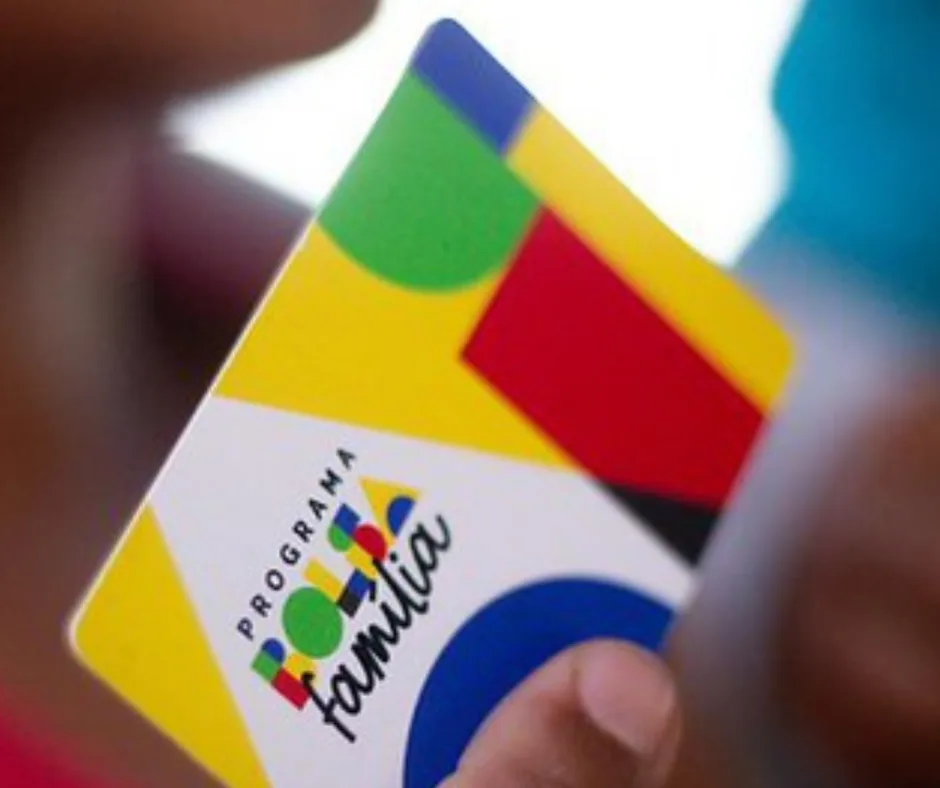
Bolsa Família February 2026 — the payment dates are already confirmed by Brazil’s Ministry of Social Development. If you or your family back in Brazil depends on this benefit, knowing the exact dates is essential for planning finances from here in the United States.
Brazil’s government social program continues to support millions of families across the country. Whether you live in the US and help your family back home, or you’re keeping track of payments for loved ones, this guide has everything you need.
In this complete guide, you’ll find the exact payment dates, how the calendar works, how to check balances remotely using apps, and everything else you need to know about Bolsa Família in February 2026. Let’s get started.
Bolsa Família February 2026: When Do the Payments Start?
The Bolsa Família payments for February 2026 begin on February 12. From that date forward, deposits are made during the last ten business days of the month, following the order of each beneficiary’s NIS number — that’s the Social Identification Number used by the Brazilian government.
This calendar is set by the federal government and follows the same pattern used every month. The system is designed to spread payments across multiple days so the banking system stays organized and efficient.
If you’re in the United States helping your family manage their finances back in Brazil, understanding this schedule is key to planning money transfers and avoiding unnecessary stress.
What Is the NIS and Why Does It Determine Payment Dates?
The NIS, or Número de Identificação Social, is a unique identification number assigned to every person registered in Brazil’s social programs. This number appears on the Bolsa Família card and is used to organize when each family receives their payment.
The Brazilian government uses the last digit of the NIS to divide beneficiaries into ten groups. Each group gets paid on a different day. This prevents the banking system from being overwhelmed and ensures smooth, organized deposits for all 19 million families in the program.
To find out the exact payment date for your family member in Brazil, simply look at the last digit of their NIS number and match it to the calendar below.
Bolsa Família February 2026: Full Payment Calendar
Here is the official payment schedule for February 2026, organized by the last digit of the NIS:
| Last NIS Digit | Payment Date |
|---|---|
| 0 | February 12, 2026 |
| 1 | February 13, 2026 |
| 2 | February 16, 2026 |
| 3 | February 17, 2026 |
| 4 | February 18, 2026 |
| 5 | February 19, 2026 |
| 6 | February 20, 2026 |
| 7 | February 23, 2026 |
| 8 | February 24, 2026 |
| 9 | February 25, 2026 |
Payments are only made on business days. If a scheduled payment date falls on a weekend or a Brazilian holiday, the deposit is moved to the previous business day.
How to Read the Bolsa Família Calendar
Reading the calendar is straightforward. You only need three pieces of information: the NIS number of the beneficiary, the last digit of that number, and the table above.
For example, if your mother’s NIS ends in 5, she will receive her Bolsa Família payment on February 19, 2026. If your brother’s NIS ends in 8, his payment arrives on February 24.
If you don’t have the NIS number handy, don’t worry. There are several ways to find it remotely, and we’ll cover those later in this article.
Bolsa Família: How Much Money Does the Benefit Pay in February 2026?
The amount each family receives from Bolsa Família is not the same for everyone. The total payment depends on the family structure and the specific situation of each household registered in the program.
Base Benefit Amounts
The minimum amount paid by Bolsa Família is R$ 600 per household per month. This is the base amount that every eligible family receives, regardless of how many people are in the household.
On top of the base amount, the program adds extra money depending on the family’s composition. Each child or teenager under 18 years old adds R$ 50 to the monthly total through what’s called the Benefício Variável Familiar.
Families with children under 6 years old receive an additional R$ 150 per child through the Benefício Primeira Infância. This brings the total benefit significantly higher for families with young kids.
Pregnant women and nursing mothers with babies under 6 months also receive additional payments of R$ 50, designed to support proper nutrition during these critical periods.
Understanding the Total Payment
When you add up the base amount plus all the additional benefits, a family with multiple children can receive well above the R$ 600 minimum. The total amount shows up as a single deposit in the Caixa Tem app or bank account.
For Brazilians living in the United States who send money home or help family members manage their finances, understanding these amounts helps with budgeting and financial planning across borders.
How to Check Bolsa Família Payments from the United States
One of the biggest advantages of Brazil’s digital banking system is that you can monitor Bolsa Família payments remotely — even from the other side of the world. Here are the main ways to do it.
Using the Caixa Tem App
The Caixa Tem app is the fastest and most reliable way to check Bolsa Família information. It’s available for free on both Android and iOS devices, which means you can download it on any smartphone.
Open the app and log in using the beneficiary’s CPF number (Brazil’s taxpayer ID) and password. Once inside, you’ll see the current balance, payment history, and details about upcoming deposits.
The Caixa Tem app also allows transfers, bill payments, and even generates withdrawal codes — all without needing to visit a bank branch in person. This makes it incredibly useful for families managing finances remotely.
Through the Gov.br Website
Brazil’s official government portal, Gov.br, provides access to all Bolsa Família information online. You can check payment dates, view statements, and confirm benefit details directly through a web browser.
This means you don’t even need to install an app. Simply open any web browser on your phone or computer, go to Gov.br, and log in with the beneficiary’s credentials. From there, navigate to the Bolsa Família section to find all relevant information.
Using the Bolsa Família App
The dedicated Bolsa Família app was created specifically for program beneficiaries. It consolidates all benefit information in one place, making it easy to track payments, check balances, and stay informed about any changes to the program.
Download it for free from the App Store or Google Play, log in with the beneficiary’s details, and you’ll have complete visibility into the Bolsa Família account from anywhere in the world.
How to Find the NIS Number from the United States
If you need to help a family member in Brazil find their NIS number but can’t physically access their Bolsa Família card, here are remote options that work.
Through the Caixa Tem App
After logging into Caixa Tem with the beneficiary’s CPF and password, navigate to the personal information or profile section. The NIS number is displayed there and can be shared easily via screenshot or message.
Through Gov.br
Accessing the Gov.br website and logging into the Bolsa Família section also reveals the NIS number alongside other account details. This works from any device with an internet connection.
Asking the Beneficiary Directly
Sometimes the simplest solution is a quick phone call or WhatsApp message to the family member in Brazil. They can check their physical Bolsa Família card or look up the number in one of the apps mentioned above and share it with you instantly.
Bolsa Família: What Can Cause Payment Delays or Problems?
Understanding potential issues helps you troubleshoot problems quickly, especially when managing things remotely from the United States.
Outdated Registration Information
If the beneficiary’s information in the CadÚnico — Brazil’s unified social registry — is outdated or incomplete, payments can be delayed or even suspended. This happens when there are changes in the family situation that haven’t been reported to the system.
The registration must be updated at least every 24 months. Changes in family composition, address, income, or children’s school enrollment all need to be reported. This update must be done in person at a CRAS (social assistance center) or a CadÚnico office in Brazil.
Program Requirements Not Met
Bolsa Família comes with specific conditions that families must meet to keep receiving payments. Children and teenagers must maintain regular school attendance. Pregnant women must complete prenatal care checkups. Children must stay up to date on vaccinations according to the Ministry of Health’s schedule.
If these conditions aren’t met, the benefit can be warned, blocked, suspended, or even canceled. For Brazilians in the US with family receiving the benefit, it’s important to communicate these requirements clearly to loved ones back home.
Technical System Issues
Occasionally, technical problems on the government’s side can cause brief delays in payments. These issues are typically resolved automatically within a few days. Checking the Caixa Tem app or Gov.br website for updates is the best way to stay informed during these situations.
Bolsa Família: Important Tips for Brazilians Living in the United States
If you’re part of the Brazilian community in the US and have family members receiving Bolsa Família back home, here are some practical tips to keep everything running smoothly.
Stay Connected with Family About Deadlines
Regular communication with family members in Brazil about their Bolsa Família obligations is essential. School enrollment deadlines, health checkups, and registration updates all have specific timeframes. Missing these deadlines can interrupt payments.
Set Up Reminders for Payment Dates
Once you know the NIS number and the payment calendar, set reminders on your phone a few days before each payment date. This helps with planning money transfers, coordinating household expenses, and ensuring nothing falls through the cracks.
Watch Out for Scams and Fake Information
Social media is full of false information about Bolsa Família — fake stories about extra payments, changes to the calendar, or new programs that don’t actually exist. Always verify information through official sources like Gov.br, the Caixa Tem app, or by calling the Disque Social at 121.
This is especially important for Brazilians in the US who may encounter misinformation shared in WhatsApp groups or on Facebook pages that look legitimate but aren’t connected to the government.
Help Family Members Stay Digitally Connected
Many Bolsa Família beneficiaries, especially older family members, may struggle with technology. If you can help them set up and learn to use the Caixa Tem app or Gov.br, you’re giving them a powerful tool to manage their own finances independently.
Conclusion
Bolsa Família February 2026 payments begin on February 12 and continue through February 25, following the schedule based on each beneficiary’s NIS number. The program continues to be one of the most important sources of financial support for vulnerable families across Brazil.
Whether you’re living in the United States and helping family manage their finances remotely, or simply staying informed about Brazil’s social programs, having the right information makes all the difference. Use the Caixa Tem app, the Gov.br website, or the official Bolsa Família app to stay connected and up to date from anywhere in the world.
Brazil’s social safety net is designed to help families through difficult times. Understanding how it works — and how to access it from abroad — puts you in the best position to support the people you care about most.

My name is CAPRA CHRINO, and I am an enthusiast of the online universe. Since a very young age, I have been fascinated by the way the internet connects people, ideas, and opportunities.