
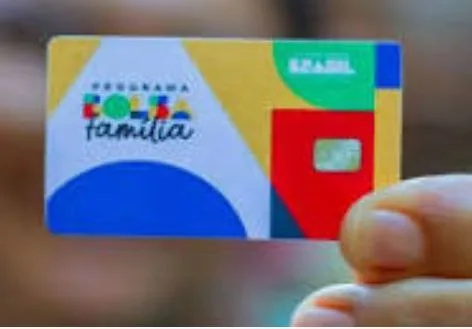
Bolsa Família is the Brazilian government’s flagship cash transfer program and the largest conditional cash transfer initiative in the world, providing financial assistance to millions of poor families across Brazil.
Since its inception in 2003, Bolsa Família has become a global model for poverty reduction, helping lift millions out of extreme poverty while promoting education and healthcare among the nation’s most vulnerable populations.
In this comprehensive guide, you’ll discover everything about Bolsa Família: how it works, who qualifies, how much money families receive, the program’s impressive impact on poverty reduction, and why this Brazilian initiative has inspired similar programs worldwide.
Whether you’re a researcher, policy maker, student, or simply curious about Brazil’s social programs, this article provides the complete picture of one of the world’s most successful anti-poverty initiatives.
What is Bolsa Família?
Bolsa Família (Portuguese pronunciation: [ˈbowsɐ fɐˈmiʎɐ], meaning “Family Allowance”) is Brazil’s current social welfare program, part of the Fome Zero (Zero Hunger) network of federal assistance programs.
The program provides financial aid to poor Brazilian families with specific conditions attached to the payments.
Bolsa Família is the largest conditional cash transfer program in the world, though the Mexican Oportunidades was the first nationwide program of this kind. The program was designed to both reduce short-term poverty through direct cash transfers and fight long-term poverty by increasing human capital among the poor through conditional requirements.
Key Features of Bolsa Família:
Direct Cash Payments: Families receive monthly deposits directly to bank accounts or payment cards
Conditional Requirements: Recipients must meet health and education obligations
Focus on Children: Benefits prioritize families with children and adolescents
Federal Program: Managed by the Ministry of Social Development and Fight Against Hunger (MDS)
Large Scale: In 2024, Brazil celebrated the 20th anniversary of the Bolsa Família Program, covering more than 50 million Brazilians
History: From Bolsa Família to Auxílio Brasil and Back
The program has undergone several transformations since its creation:
2003: Bolsa Família Created
President Luiz Inácio Lula da Silva launched Bolsa Família, consolidating previous smaller programs into one comprehensive initiative.
2003-2020: Expansion and Success
The program expanded to serve approximately 14 million families, becoming a cornerstone of Brazil’s poverty reduction strategy.
2021: Auxílio Brasil Announced
On 30 December 2021, President Jair Bolsonaro sanctioned a new cash transfer program called Auxílio Brasil, formally ending Bolsa Família. The new program promised to pay approximately $71 to 17 million families.
2023: Return to Bolsa Família
After Lula’s reelection as president of Brazil in 2022, he declared that he would rename the program back to Bolsa Família, putting an end to Auxílio Brasil. In 2023, the second version of the program was launched with the promise of financial transfers of at least 600 Brazilian Reais.
2024-2025: Current Status
Today, Bolsa Família continues as Brazil’s primary social safety net, benefiting over 50 million people and receiving international support, including a US$300 million project from the World Bank Board of Directors approved to strengthen Brazil’s conditional cash transfer program.
How Much Money Does Bolsa Família Provide?
The amount families receive varies based on family composition, income level, and number of children:
2025 Benefit Structure:
Basic Benefit: 600 Brazilian Reais (approximately $110 USD) minimum per family per month
Variable Benefits: Additional amounts based on:
- Number of children aged 0-6 years
- Number of children and teens aged 7-18 years
- Pregnant women
- Nursing mothers
Additional Support:
- Early childhood bonus for families with children under 6
- School achievement bonus for excellent student performance
- Nutritional supplement for pregnant women and young children
Historical Context:
As of 2020, the program covered 13.8 million families and paid an average of $34 per month, in a country where the minimum wage was $190 per month. The 2023 increase to at least 600 reais represents a significant expansion of benefits.
Comparison to Other Income:
To put this in perspective, Brazil’s minimum wage in 2025 is approximately 1,412 reais per month. While Bolsa Família payments are modest, they represent crucial income for families living in extreme poverty.
Who Qualifies for Bolsa Família?
Eligibility Criteria:
Income Requirements:
Families living in extreme poverty (monthly income up to approximately $16 per person) receive unconditional cash transfers, while those living in poverty (monthly income approximately $16-33 per person) receive conditional transfers.
Family Composition:
- At least one child aged 0-17 years, OR
- Pregnant women, OR
- Nursing mothers
Conditional Requirements:
To continue receiving benefits, families must meet specific obligations:
Education Requirements:
- Children aged 6-15: Minimum 85% school attendance
- Teens aged 16-17: Minimum 75% school attendance
- If children exceed permitted school absences, families may lose benefits
Health Requirements:
- Children must maintain vaccination schedules
- Pregnant women must attend prenatal consultations
- Children under 7 must have regular health check-ups and growth monitoring
Registration: Families must register in the Cadastro Único (Unified Registry), a database that identifies and characterizes low-income families in Brazil.
The Global Impact of Bolsa Família
Poverty Reduction Success
Bolsa Família has been mentioned as one factor contributing to the reduction of poverty in Brazil, which fell 27.7% during the first term in the administration of Lula. Other contributing factors included improvements in the job market and real gains in the minimum wage.
International Recognition
In 2008, The Economist described Bolsa Família as “an anti-poverty scheme invented in Latin America which is winning converts worldwide”. The program has become a model studied and replicated in dozens of countries.
Health Improvements
Recent research shows dramatic health impacts. Conditional cash transfer programmes have strongly contributed to the reduction of morbidity and mortality in Brazil, having prevented millions of hospitalizations and deaths in the past two decades.
Education Gains
Administrative records show Bolsa Família slightly improves children’s education, with educational gains varying by region: girls benefit more in wealthier areas, boys in poorer ones.
How Bolsa Família Works: Step-by-Step Process
Step 1: Registration (Cadastro Único)
Families register at their local municipal office, providing:
- Identity documents (CPF for all family members)
- Proof of address
- Income information
- Family composition details
Step 2: Eligibility Assessment
Municipal governments verify information and determine eligibility based on:
- Per capita family income
- Family composition
- Housing conditions
- Other vulnerability factors
Step 3: Approval and Card Issuance
Approved families receive:
- Notification of approval
- Citizen Card (Cartão Cidadão) or bank account for receiving payments
- Information about conditional requirements
Step 4: Monthly Payments
- Payments are deposited monthly
- Families can withdraw at Caixa Econômica Federal banks or authorized lottery outlets
- Balance expires if not withdrawn within 90 days
Step 5: Compliance Monitoring
Government monitors:
- School attendance records
- Healthcare visit records
- Vaccination compliance
- Families failing to meet conditions receive warnings before potential suspension
Step 6: Biennial Review
Every two years, families must update their registration information to maintain eligibility.
Bolsa Família vs. Other Global Cash Transfer Programs
Comparison with Similar Programs:
South Africa’s Grant System: The government cash transfer program in South Africa had 17.5 million individual beneficiaries in 2018 (over 75% of its labour force of 23 million) receiving a total of over $20 billion per annum in state aid.
Mexico’s Prospera (formerly Oportunidades): The first nationwide conditional cash transfer program, serving as inspiration for Bolsa Família
India’s Direct Benefit Transfer: Uses similar digital payment methods but different targeting mechanisms
Kenya’s Cash Transfer Programme: Focuses on orphans and vulnerable children
What Makes Bolsa Família Unique:
✅ Scale: Largest program globally by beneficiary count ✅ Integration: Unified registry system (Cadastro Único) ✅ Conditions: Strong emphasis on education and health ✅ Evidence: Extensively studied with proven results ✅ Adaptability: Successfully navigated political transitions ✅ Technology: Advanced digital payment infrastructure
Economic and Social Impacts
Poverty and Inequality Reduction
Short-term Effects:
- Immediate income support for millions
- Reduced food insecurity
- Improved nutrition, especially for children
- Decreased child labor
Long-term Effects:
- Breaking intergenerational poverty cycles
- Increased educational attainment
- Better health outcomes
- Enhanced economic mobility
Education Improvements
Measurable Outcomes:
- Increased school enrollment rates
- Higher attendance percentages
- Reduced dropout rates
- Better educational achievement, particularly in disadvantaged regions
Health Benefits
Child Health:
- Reduced child mortality rates
- Better vaccination coverage
- Improved nutritional status
- More regular health check-ups
Maternal Health:
- Increased prenatal care attendance
- Better birth outcomes
- Reduced maternal mortality
Overall Population Health:
- Decreased hospitalizations
- Lower mortality rates across age groups
- Better management of chronic diseases
Mental Health and Well-being
Recent research shows unexpected benefits. Cash transfer programmes provide financial support to alleviate poverty and promote economic stability, with emerging evidence regarding specific effects on young adults’ mental health.
Challenges and Criticisms
Despite its success, Bolsa Família faces several challenges:
Targeting Accuracy
Issue: Some eligible families don’t receive benefits while some ineligible families do
Response: Continuous improvements in Cadastro Único data quality
Dependency Concerns
Criticism: Program may create welfare dependency
Counter-evidence: Studies show beneficiaries actively seek work and value education investments
Benefit Adequacy
Debate: Are payments sufficient to truly lift families out of poverty?
Context: Payments designed as income supplement, not full support
Conditional Requirements Burden
Challenge: Some families struggle to meet education and health conditions
Support: Municipal assistance programs help families comply
Political Manipulation
Risk: Program has become political tool during elections
Safeguard: Institutional protections and transparency mechanisms
Coverage Gaps
Issue: Before the pandemic, one in five Brazilians were chronically poor; the pandemic widened pre-existing inequalities and today nearly half of Brazil’s children are growing up in poor households
Response: 2023 expansion increased benefits and coverage
The Technology Behind Bolsa Família
Cadastro Único (Unified Registry)
The backbone of Bolsa Família’s targeting system:
- Comprehensive database of low-income families
- Used by multiple social programs
- Contains demographic, economic, and social data
- Updated biennial with real-time verification capabilities
Payment System
Digital Infrastructure:
- Direct bank transfers via Caixa Econômica Federal
- Citizen Card technology
- Mobile payment options
- Secure authentication systems
Monitoring Technology:
- Automated school attendance tracking
- Healthcare visit verification systems
- Real-time compliance monitoring
- Data analytics for fraud detection
Transparency and Oversight
Public Accountability:
- Online portal with program statistics
- Municipal-level data availability
- Regular audits and evaluations
- Civil society oversight mechanisms
How to Apply for Bolsa Família
For Brazilian Residents:
Step 1: Visit your local CRAS (Centro de Referência de Assistência Social) or municipal social assistance office
Step 2: Bring required documents:
- CPF (Cadastro de Pessoas Físicas) for all family members
- Identity document (RG)
- Proof of address
- Work documents (if employed)
- Birth certificates for children
- Prenatal card (for pregnant women)
Step 3: Complete the Cadastro Único registration form
Step 4: Provide accurate income information
Step 5: Submit application and receive protocol number
Step 6: Wait for eligibility assessment (typically 30-45 days)
Step 7: If approved, receive notification and payment card
Important Contacts:
Bolsa Família Hotline: 0800-707-2003 Ministry Website: www.gov.br/cidadania Cadastro Único Information: Available at local CRAS centers
The Future of Bolsa Família
Planned Expansions
Coverage Increases:
- Reaching more families in extreme poverty
- Targeting vulnerable populations
- Expanding to rural and remote areas
Benefit Enhancements:
- Continued inflation adjustments
- Additional supplements for specific needs
- Integration with other social programs
Innovation and Modernization
Technology Integration:
- Mobile app for beneficiaries
- Digital identity verification
- Real-time benefit tracking
- AI-powered fraud detection
Service Integration:
- One-stop social service centers
- Coordinated health and education programs
- Employment and training linkages
- Financial inclusion initiatives
International Collaboration
The World Bank project aims to protect the income of poor families in Brazil with children from zero to 6 years of age, mitigating risks to their health and education prospects, expecting to benefit about 9 million children.
Sustainable Development Goals
Bolsa Família contributes directly to multiple UN Sustainable Development Goals:
- Goal 1: No Poverty
- Goal 2: Zero Hunger
- Goal 3: Good Health and Well-being
- Goal 4: Quality Education
- Goal 10: Reduced Inequalities
Lessons from Bolsa Família for Global Policy
Key Success Factors:
1. Strong Political Commitment
- Bipartisan support over two decades
- Protection during economic crises
- Continuous investment and expansion
2. Clear Conditions with Support
- Requirements aligned with long-term goals
- Municipal support helps families comply
- Flexible enforcement with warnings before penalties
3. Technology and Data
- Sophisticated targeting systems
- Efficient payment mechanisms
- Transparent monitoring and evaluation
4. Integration with Services
- Links to education system
- Coordination with health services
- Connection to labor market programs
5. Continuous Evaluation
- Extensive research and data collection
- Evidence-based adjustments
- International academic collaboration
Replicability Considerations:
Countries considering similar programs should note:
- Strong administrative capacity needed
- Political will essential for sustainability
- Technology infrastructure important
- Local adaptation crucial
- Complementary services enhance impact
Statistics and Facts About Bolsa Família
Program Scale (2024-2025):
📊 Beneficiaries: Over 50 million Brazilians (approximately 21 million families)
💰 Annual Budget: Approximately 175 billion Brazilian Reais ($32 billion USD)
🏛️ Coverage: All 5,570 Brazilian municipalities
📱 Cadastro Único: Over 90 million registered individuals
Impact Metrics:
📉 Poverty Reduction: Contributed to 27.7% decrease in poverty during first Lula administration
👶 Child Mortality: Significant reductions in child mortality rates in beneficiary families
🏫 School Enrollment: Near-universal enrollment for children in beneficiary families
💉 Vaccination: Higher vaccination rates among beneficiary children
🍽️ Food Security: Improved nutrition and reduced hunger
Resources and Further Reading
Official Sources:
- Brazilian Ministry of Citizenship: www.gov.br/cidadania
- Cadastro Único Portal: cadunico.dataprev.gov.br
- World Bank Brazil Projects: worldbank.org/brazil
Academic Research:
- Extensive literature on conditional cash transfers
- Impact evaluations and policy studies
- International comparative analyses
International Organizations:
- World Bank conditional cash transfer resources
- Inter-American Development Bank studies
- UN agency reports on social protection
Conclusion
Bolsa Família represents one of the most successful social programs in modern history, demonstrating that well-designed cash transfer programs can effectively combat poverty while promoting human capital development. With over 20 years of operation, robust evidence base, and millions of beneficiaries, Bolsa Família has become a global model for social protection.
The program’s success lies in its combination of immediate poverty relief with long-term investments in education and health. By requiring families to keep children in school and maintain health checkups, Bolsa Família doesn’t just give fish—it teaches fishing while ensuring families don’t starve in the meantime.
As Brazil continues to face challenges of inequality and poverty, particularly following the COVID-19 pandemic, Bolsa Família remains a crucial tool for social protection and economic inclusion. The program’s evolution from its 2003 origins through the Auxílio Brasil period and back to its current form demonstrates both its resilience and adaptability.
For researchers, policymakers, and development practitioners worldwide, Bolsa Família offers valuable lessons about designing, implementing, and sustaining large-scale social programs that genuinely transform lives and create opportunities for millions of people.

My name is CAPRA CHRINO, and I am an enthusiast of the online universe. Since a very young age, I have been fascinated by the way the internet connects people, ideas, and opportunities.